
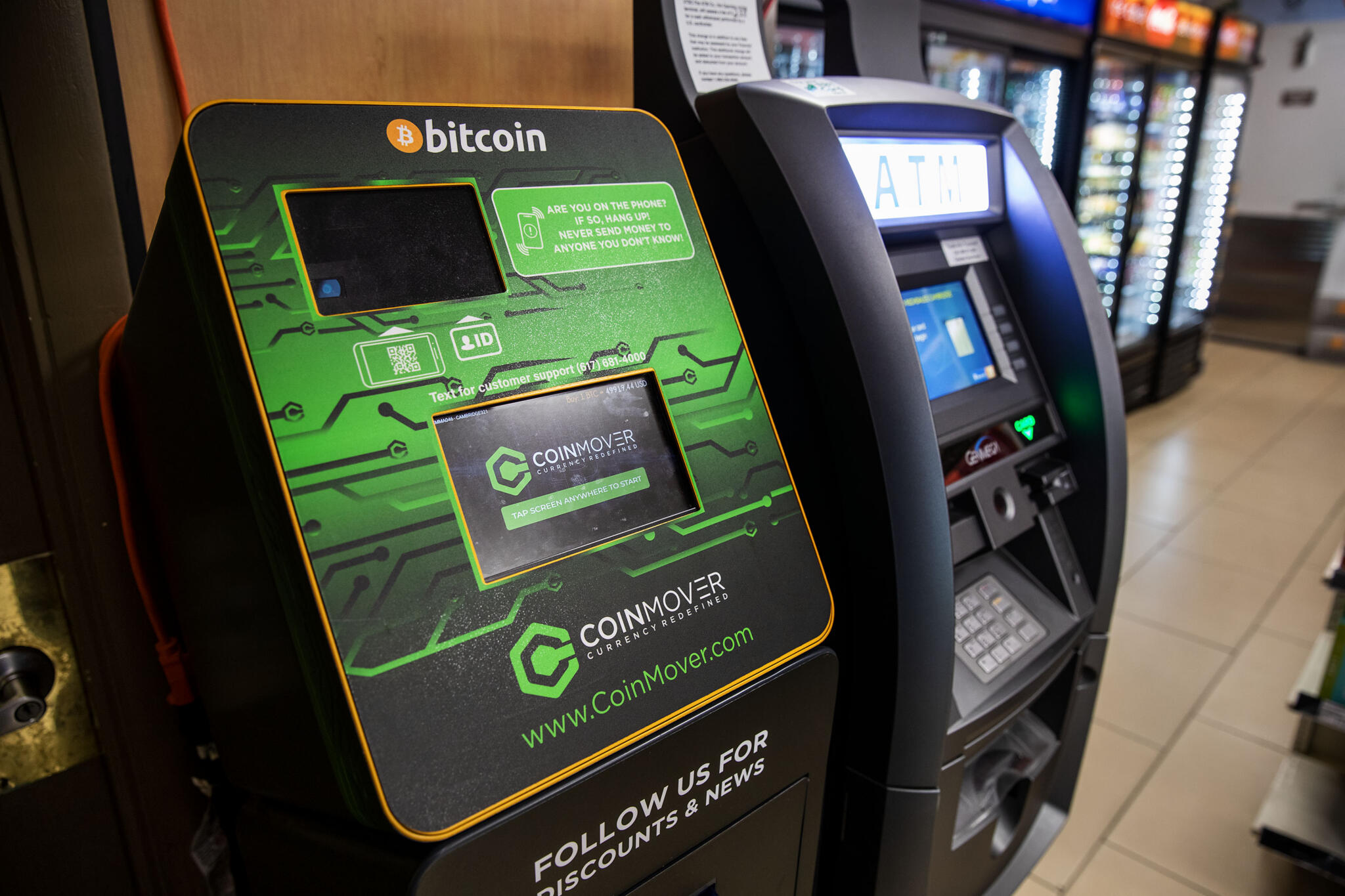
States and cities across the country are moving to ban cryptocurrency kiosks. Local leaders are taking action because reports of scams linked to the machines keep rising. Officials want to remove the physical kiosks from corner stores and gas stations to protect everyday people.
Why are cities banning crypto kiosks?
Many local leaders worry that these physical machines make it too easy for criminals to steal money. A person might get a fake phone call from someone pretending to be the police, the tax office, or a bank. The caller tells the victim to take cash out of their bank account right away and put it straight into a crypto machine. Once the cash goes into the machine, it turns into digital tokens and goes directly to the criminal's wallet.
Because of this, lawmakers say warning signs on the screens are no longer enough. Many people who lose money at these machines are older adults who do not understand how digital tokens work. Leaders believe that a total ban on the kiosks is the fastest way to stop these street-level thefts. Removing the machines takes away the easiest cash tool that scammers use today.
How cryptocurrency kiosks work in your neighborhood
A cryptocurrency kiosk looks just like a standard bank ATM, but it works in a completely different way. Instead of connecting to your local bank account, it connects to a digital network. You feed paper cash into the slot, and the machine sells you digital coins. You can learn more about how cryptocurrency works to see why these digital assets move so fast.
Unlike regular bank transfers, these digital transactions are very hard to reverse. Here are the main facts about these machines:
- They sit inside convenience stores, grocery shops, and gas stations.
- They take physical cash and turn it into digital money in minutes.
- They often charge high fees for every cash deposit.
- They do not have a bank teller or security guard nearby to spot fraud.
What this means for everyday shoppers
If these bans pass, you will soon see fewer crypto machines in your neighborhood shops. Regular shoppers who never touch digital coins will simply see empty floor space where the machines once stood. For people who actually used the machines for legal trades, it means they must switch to online apps instead. They will have to link their bank accounts on the web rather than feeding paper bills into a corner-store box.
Police officers and consumer groups welcome the proposed bans. They spend hundreds of hours every year trying to help victims who lost their life savings through these machines. When cash enters a machine, it enters the world of cryptocurrency and crime where local police have a hard time tracking it down. Cutting off the physical cash points gives local police a much better chance to protect residents.
What to watch for as new bans spread
More city councils and state lawmakers are planning votes on kiosk rules this year. Some kiosk operators may try to fight the bans in court to keep their machines running. Business owners who host the machines also earn rent from them, so some store owners may speak out against the new rules.
Even if the kiosks disappear, scammers will still try to find new ways to take your money. Federal agencies and consumer watchdogs will watch closely to see if fraud numbers actually drop after the machines leave. For now, public officials say banning the kiosks is the strongest step they can take to keep community savings safe.

No comments:
Post a Comment